Suite 503, 5/F, St. George's Building, 2 Ice House Street, Central, Hong Kong
 +852 2868 0696










Investing in the U.S.: What Hong Kong Families Should Know
6 Oct 2026
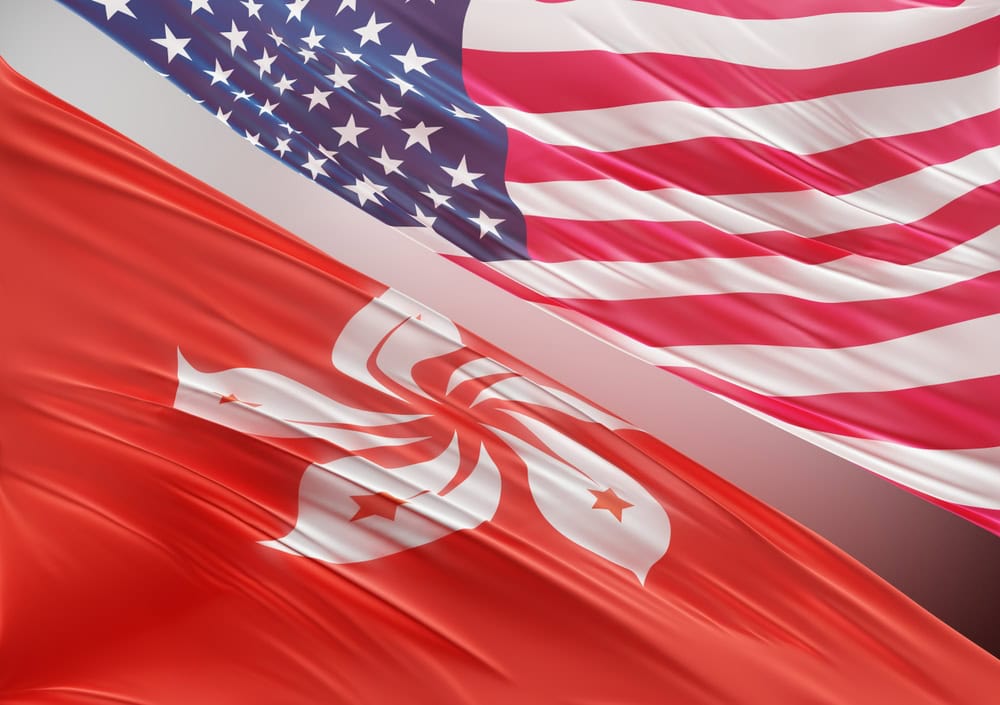
For Hong Kong families, investing in the United States can provide access to attractive markets, diversification opportunities, and long-term wealth-building potential. But before capital is committed, it is important to consider how the investment will be owned and managed. The legal and tax structure chosen at the outset can significantly affect U.S. taxation, reporting obligations, liability, succession planning, and future flexibility.
For families and investors based in Hong Kong, a U.S. investment is rarely just a question of identifying the right asset. Whether the opportunity involves real estate, an operating business, private equity, or an investment portfolio, the way the investment is structured can be just as important as the investment itself.
This is particularly relevant for families whose assets, businesses, and family members may span Hong Kong, the United States, Mainland China, and other jurisdictions.
Decisions made before a transaction closes can have consequences for years – or even generations. A structure that appears straightforward today could create unexpected tax exposure, administrative requirements, or succession challenges later.
Start With the Ownership Strategy
There is no single structure that works for every investor entering the U.S. market. The appropriate approach depends on the investor’s circumstances, objectives, existing holdings, and connections to different jurisdictions.
Before selecting an entity or ownership arrangement, families should generally consider factors such as:
- Hong Kong and other relevant tax residency considerations
- The type and purpose of the U.S. investment
- Long-term family and succession objectives
- Potential exposure to U.S. estate tax
- Existing trusts, companies, or family holding structures
- Financing arrangements
- The location and residency of family members and beneficiaries
- Plans to sell, transfer, or pass the investment to future generations
These considerations are interconnected. A structure that is efficient for one family may be unnecessarily complicated – or potentially disadvantageous – for another.
Common Ways to Structure U.S. Investments
1. Limited Liability Companies (LLCs)
LLCs are frequently considered when international investors acquire U.S. assets or establish business operations. Depending on the circumstances, they can provide liability protection, management flexibility, and relatively straightforward ownership arrangements.
However, Hong Kong investors should not consider the U.S. treatment of an LLC in isolation. The way an entity is characterized and treated in other relevant jurisdictions may differ from its treatment under U.S. law.
This becomes particularly important for internationally mobile families or those with assets and family members in several countries. The analysis should therefore consider the broader cross-border implications before an LLC is established.
2. Corporations
A corporation may be appropriate for certain U.S. business investments, particularly where a company expects to grow, bring in additional investors, or establish substantial operations.
Corporate structures can offer practical advantages from an operational and governance perspective, but they may also introduce additional tax and compliance considerations.
Hong Kong investors should therefore evaluate the benefits of a corporate structure in the context of both the U.S. investment and their wider international arrangements.
3. Trusts
Trusts can play an important role for Hong Kong families concerned with preserving and transferring wealth across generations.
Depending on the family’s circumstances and applicable laws, trusts may support succession planning, asset protection, family governance, and estate planning objectives.
For Hong Kong families with beneficiaries, trustees, settlors, or assets located in different jurisdictions, however, trust planning can become particularly complex. U.S. rules governing trusts may interact with the family’s existing structures and the laws of other jurisdictions in ways that are not immediately apparent. This may be true even if the U.S. involvement is by beneficiaries that do not yet have transactions with the trust.
4. Partnerships and Joint Ventures
Partnership and joint venture arrangements can be useful when several family members, investors, or business partners want to participate in the same U.S. opportunity.
This may be particularly relevant to Hong Kong investors pursuing U.S. real estate, private business, or other investment opportunities alongside family members or investment partners.
These structures can offer considerable flexibility, but issues such as management authority, allocation of profits and losses, reporting responsibilities, transfer rights, and exit provisions should generally be addressed from the outset.
Don’t Underestimate U.S. Compliance Requirements
Completing the investment is only the beginning. Once an investor owns assets or conducts business in the United States, a range of U.S. reporting and compliance obligations may apply.
Depending on the structure and circumstances, these can include:
- U.S. federal income tax returns
- State-level tax filings
- Information reporting requirements
- Applicable ownership or disclosure requirements
- Trust-related reporting
- Entity filings and maintenance
- Other cross-border reporting obligations
Missing an applicable filing can result in penalties, additional professional costs, and unnecessary administrative difficulties.
A common challenge for international families is that their advisors may be located in different jurisdictions. A Hong Kong accountant, U.S. attorney, wealth advisor, trustee, and other professionals may each be providing advice from a different perspective.
Each recommendation may make sense independently while creating unintended consequences when combined with the family’s wider international structure.
Coordinating Hong Kong and U.S. Planning
For Hong Kong families investing in the United States, coordination between advisors can be particularly important.
A typical transaction may involve U.S. attorneys and accountants alongside Hong Kong legal, tax, trust, banking, or wealth management professionals. Families with connections to additional jurisdictions may require an even broader advisory team.
For example, an ownership structure selected for a U.S. real estate investment could affect the family’s estate planning. Financing arrangements could influence how an investment is held or eventually transferred. An existing family trust or holding company could create considerations that would not arise for an individual investor.
When these issues are identified before a transaction is completed, families generally have more options for addressing them. Discovering them after closing can make restructuring considerably more difficult and expensive.
Why Planning Before the Investment Matters
Ideally, cross-border planning should begin before purchase agreements are finalized, entities are established, or investment funds are transferred from Hong Kong or elsewhere.
Early planning gives families an opportunity to consider the investment from several perspectives at once. It can help them:
- Choose an appropriate ownership structure
- Identify potential U.S. and cross-border tax consequences
- Coordinate personal, family, and business objectives
- Prepare for ongoing U.S. reporting and compliance
- Understand relevant options considering the U.S. and Hong Kong do not have a Tax Treaty
- Integrate the investment with existing family structures
- Reduce unnecessary administrative complexity
- Preserve flexibility for a future sale, transfer, or succession
The objective is not simply to complete a U.S. transaction efficiently. It is to establish a framework that continues to make sense as the investment -and the family’s circumstances – evolve.
Think Beyond the Initial U.S. Investment
For many Hong Kong families, an investment in the United States forms part of a much broader international wealth strategy.
A U.S. property acquisition may eventually become part of a family’s long-term investment portfolio. An initial business investment could lead to additional U.S. operations or acquisitions. A trust or holding structure established today may influence how wealth is managed and transferred to the next generation.
International mobility also matters. Children may study or live in the United States, family members may relocate, and business interests may expand into new jurisdictions. Changes of this kind can affect planning assumptions that were appropriate when an investment was first made.
Effective cross-border planning therefore looks beyond the immediate transaction.
Families should consider how a prospective U.S. investment fits with their existing assets, business interests, family arrangements, succession objectives, and overall global footprint.
Frequently Asked Questions for Hong Kong Investors
1. What is the best structure for a Hong Kong investor buying assets in the U.S.?
There is no universally preferable structure. The appropriate choice depends on factors including the nature of the investment, the investor’s tax residence, existing companies or trusts, financing requirements, succession objectives, and the jurisdictions with which the family has connections, and keeping in mind there is no Tax Treaty between the U.S. and Hong Kong.
2. Should a Hong Kong family use an LLC or a trust for a U.S. investment?
The two structures serve different purposes. An LLC may be useful for liability protection, management, and ownership flexibility, while a trust may have a greater role in succession, wealth preservation, and estate planning. Depending on the circumstances, more than one entity or structure may form part of the overall arrangement.
3. Do Hong Kong investors have U.S. tax and reporting obligations?
Potentially, yes. The requirements depend on the type of investment, ownership structure, activities conducted in the United States, and other circumstances. Obligations can include federal and state tax filings, information returns, trust reporting, entity filings, and other applicable disclosures. Additionally, without a proper structure, U.S. assets could be subject ot the estate tax.
4. Why should Hong Kong investors plan before transferring funds to the U.S.?
Decisions about ownership and structure can be considerably easier to implement before an investment is completed. Reviewing the U.S. tax, legal, succession, and compliance implications in advance can help avoid unnecessary restructuring and preserve greater flexibility later.
5. Why is cross-border coordination particularly important for Hong Kong families?
Hong Kong families may have assets, companies, trusts, beneficiaries, or family members across several jurisdictions. A decision that works well from a U.S. perspective may have different consequences elsewhere. Coordinating U.S. and Hong Kong advisors – and advisors in any other relevant jurisdictions – helps ensure that the investment is considered as part of the family’s overall wealth and succession strategy. OLN has a dedicated US Tax Advisory Services practice in Hong Kong. Contact us for guidance.
Disclaimer: This article is for reference only. Nothing herein shall be construed as Hong Kong legal advice or any legal advice for that matter to any person. Oldham, Li & Nie shall not be held liable for any loss and/or damage incurred by any person acting as a result of the materials contained in this article.
Author(s)